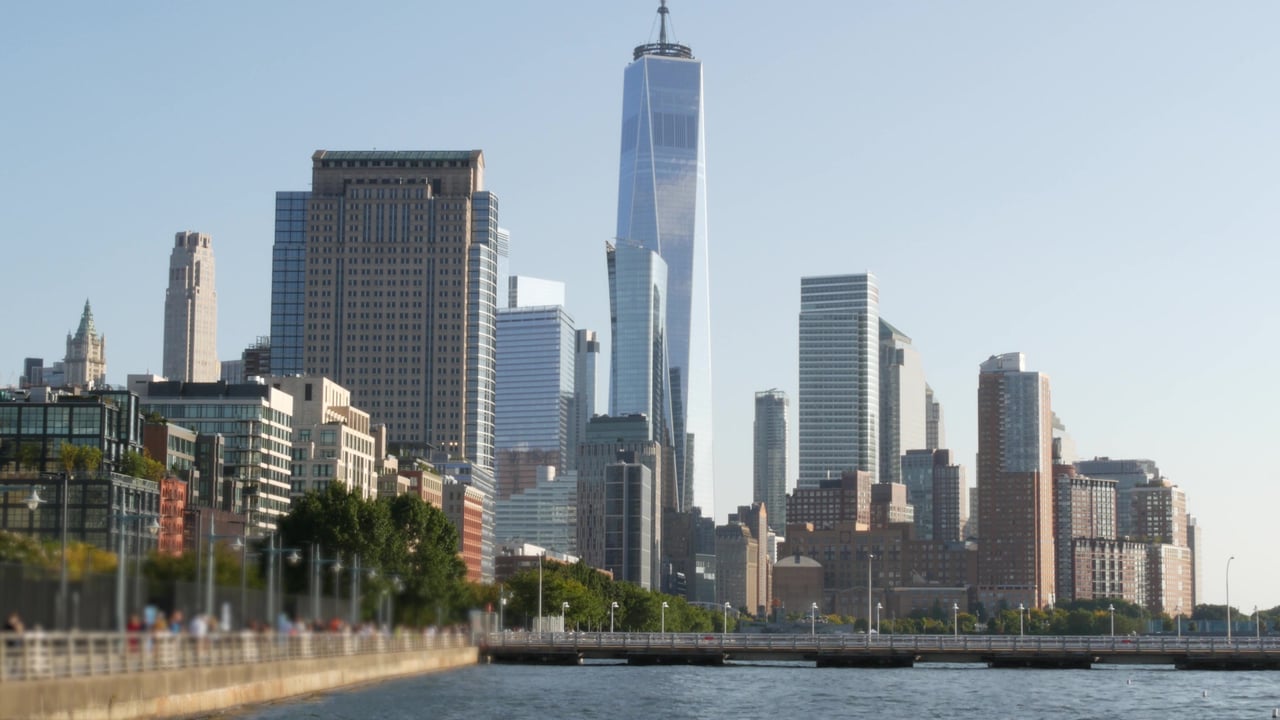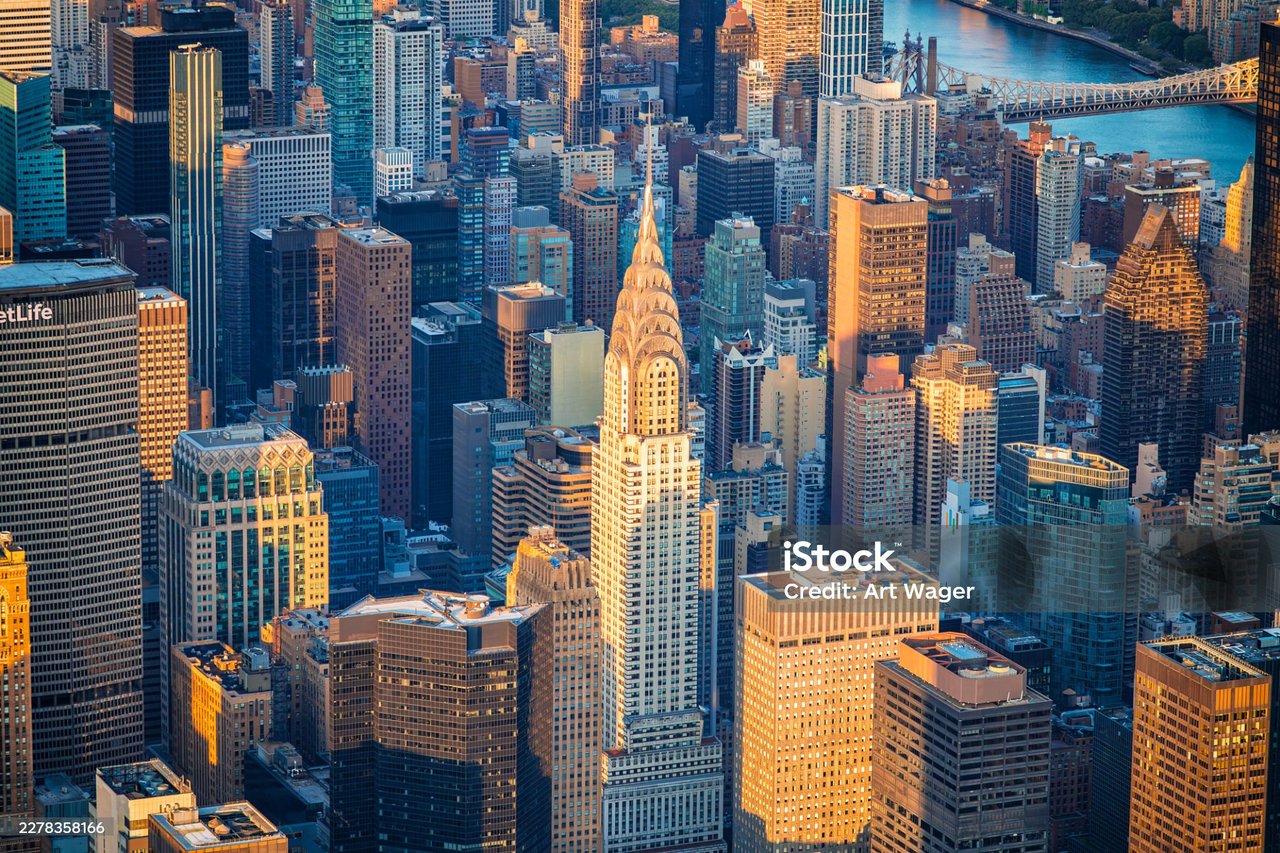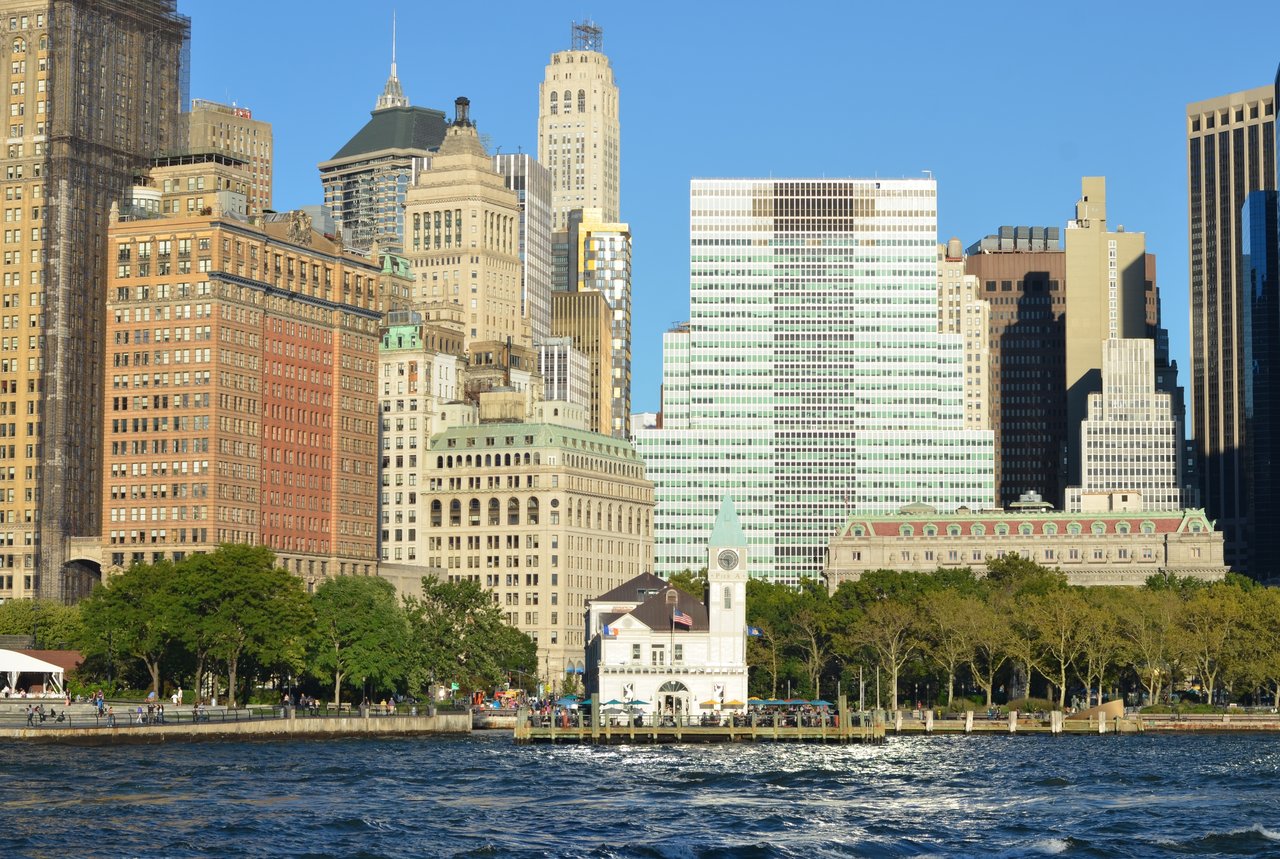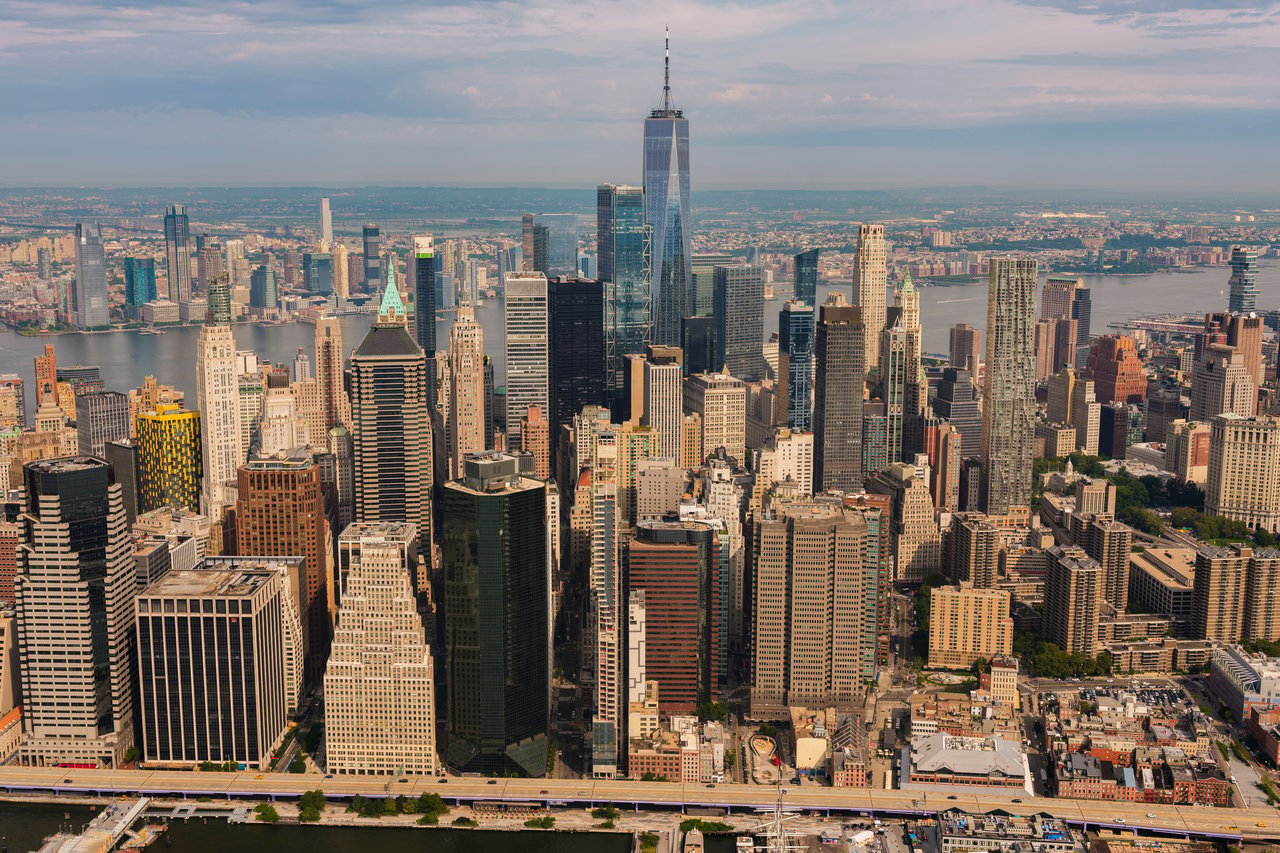
Spring arrives the way it always does: slowly at first, then all at once. The light stretches later into the evening. Windows open. Closets get cleared. The city begins to move with new energy. Let’s dive into the data to see how this market is showing its own signs of renewal as the season begins.
Manhattan Sales Market:
There are currently 5,680 homes for sale, up 6.8% from last month and down 9.3% from last year. Monthly contract activity for February had 831 contracts signed, up 17.2% from the previous month. Signed contracts were down 3.5% from last year. Pending Sales are up 7.4% month-over-month and up 5.2% year-over-year.
What This Means for Buyers:
For buyers, the spring market may offer more opportunity. Inventory has ticked up month-over-month, giving buyers slightly more choice than they had during the tight winter months. At the same time, the rise in signed contracts suggests that other buyers are re-entering the market as the spring season is set to launch. In practical terms, this creates a window where selection is improving, but competition has not yet fully peaked. For well-prepared buyers with financing in place, the coming weeks may present a favorable moment to identify value before the market’s traditional spring surge is in full swing.
Manhattan Rental Market:
Average rent was at $5,721, an 8.1% decrease month-over-month and a 5.2% decrease from last year. Median rent saw an increase of 3.1% from last month and increased 7.4% for the year to $4,643. Listing inventory fell 13.7% year-over-year. The number of new leases experienced an 8.2% decrease for the year.
What This Means for Renters:
For renters, the market is sending mixed signals — creating both opportunity and urgency. On one hand, the pullback in average rent and the decline in new lease activity suggest that pricing at the top end may be softening, particularly for higher-priced or over-ambitious listings. On the other hand, the rise in median rent and the continued drop in inventory point to tightening conditions in the core of the market, where well-priced, move-in-ready units are still seeing strong demand. Renters who are decisive, well-prepared, and realistic about pricing will find opportunities. Hesitation can be costly. As we move deeper into the spring season, competition is likely to build, and today’s brief pockets of leverage may narrow quickly.
Real estate often follows the same rhythm and cadence of the season. Every year, as winter fades, the market begins to wake up. Buyers who spent the colder months watching from the sidelines step back in. Sellers who waited out January and February bring new listings online. Momentum builds quickly, which is why sales prices historically peak around March and April, when fresh inventory meets the first wave of serious demand. For renters, the timeline stretches a bit longer. The city fills with graduates, relocations, and new job starts, pushing activity steadily upward through the summer. Rental prices typically peak in July and August, when demand reaches its annual high.
In a world that can feel increasingly chaotic — headlines spinning, markets shifting, noise everywhere — it’s grounding to remember that some rhythms remain constant. The seasonal pulse of housing demand has persisted through recessions, booms, pandemics, and political turbulence.
Spring always brings motion. If you’re thinking about making a move, we’re always here to help you navigate it with clarity and confidence — in any season. This is a city that is perpetually in bloom after all.