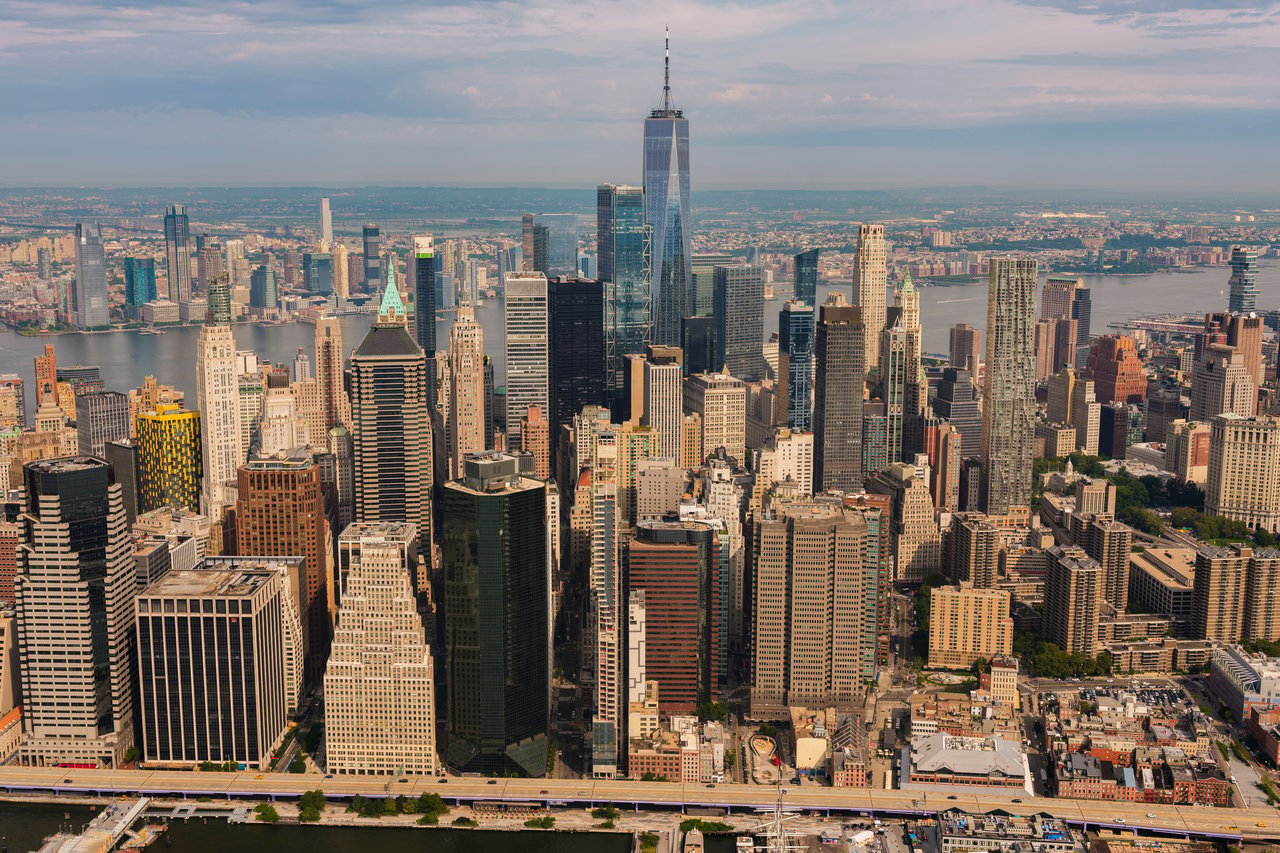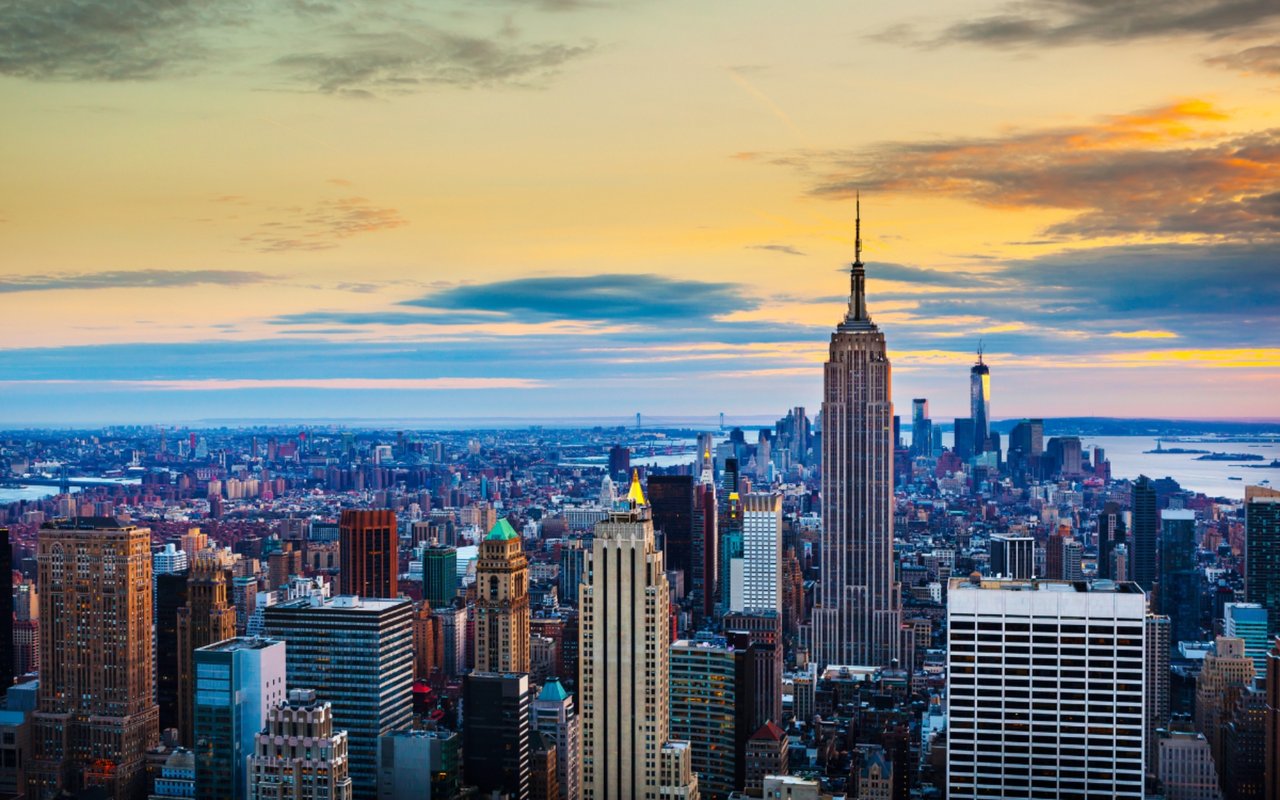
Currently, the Manhattan real estate market is exhibiting a dual nature. Recent transactions on 5th Avenue—where Gucci and Prada purchased properties from American real estate tycoon Jeff Sutton for a record-breaking amount of approximately $1.8 billion—prove that this iconic luxury corridor is still highly valued. Conversely, the office building and rental multi-family housing markets are struggling due to high vacancy rates and rising interest rates.
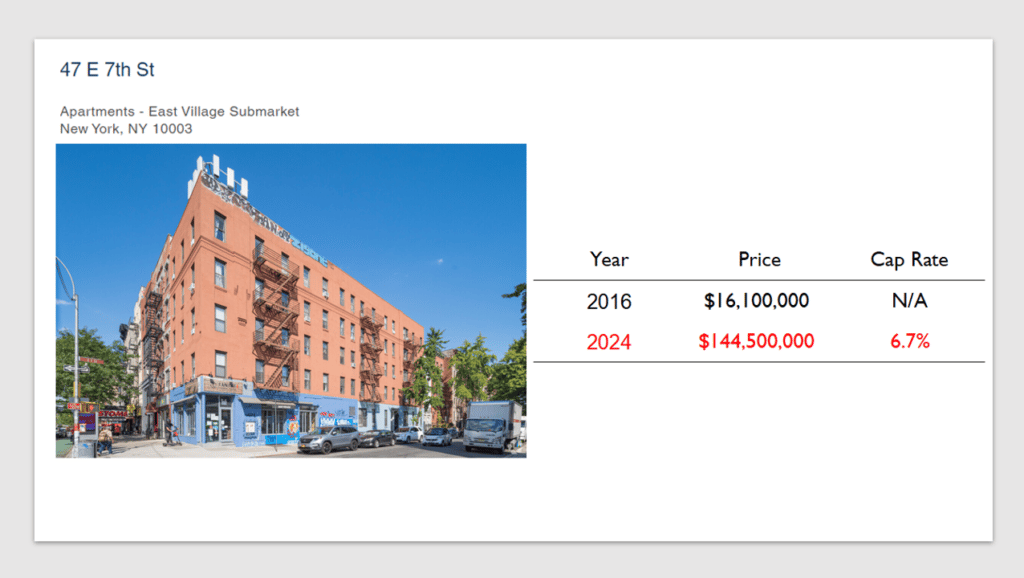
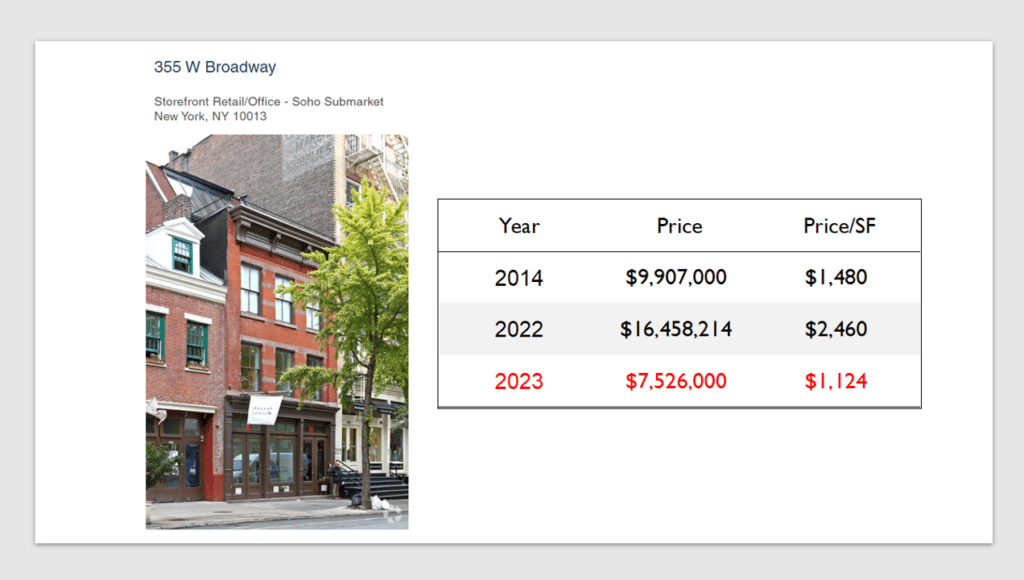
Even in prime Manhattan areas like SoHo, the West Village, and the East Village, some owners who cannot withstand market pressure are selling properties at prices lower than what they paid years ago.
This is a clear example of the significant impact that financial market instability and record-high interest rates have on the real estate market. While some of these buildings sold at bargain prices have high vacancy rates and low rental income, others are stable properties showing annual yields of nearly 7% relative to their sale price.
The reason these properties are being sold at low prices is that investors who utilized high leverage during the era of record-low interest rates following the financial crisis can no longer withstand rising rates. They must exit before the buildings fall into the hands of creditor banks, even if it means taking a loss.
From the perspective opposite to these struggling sellers, investing in commercial real estate amidst this chaos—before the interest rate cycle shifts (i.e., before the downward trend in the benchmark rate continues)—can be both a challenge and an attractive opportunity.
Specifically, investing in buildings in excellent locations with stable rental income during a period of high interest rates allows for the expectation of value appreciation as rates fall, providing an opportunity to generate high long-term returns.
Let’s return to the luxury corridor of 5th Avenue. Cases over the past two years show that strategic real estate investors like Jeff Sutton have seen significant gains regardless of market conditions.
This is an example of how strategic investment, executed with the real estate investment cycle in mind during a high-interest period, leads to great profits over time. The primary reason for such high-value sales may be the massive profits luxury brands have earned in recent years, but it also shows that these long-term tenants of 5th Avenue recognize the enduring value of this location.

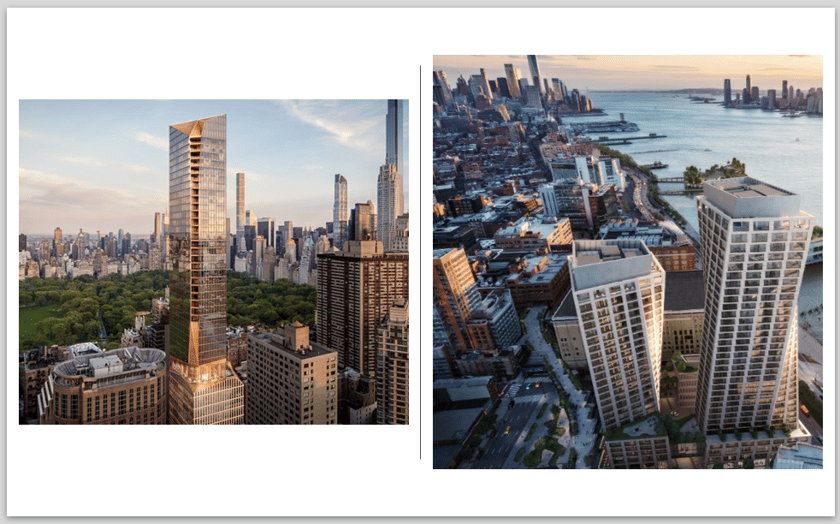
The residential market is also showing a clear polarization. Despite high interest rates, Extell’s development on 66th Street near Central Park and the Witkoff Group’s completed condo on 18th Street in Chelsea have recorded high sales rates since last year.
This indicates continued interest from global investors in top-tier retail and residential areas. Meanwhile, new condos with lower competitiveness are unable to escape the market's sluggishness despite high incentives.
The two-sided nature of the Manhattan real estate market offers aggressive investment opportunities for those with sufficient cash liquidity, while requiring a cautious approach from others. Especially at a time like now, when a major cycle is reaching a turning point, a strategy of purchasing real estate in prime locations that guarantees stable returns is advisable. This approach increases the likelihood of property value appreciation as the market recovers.
Jinwoo David Park
Head of Korea Desk
- Phone: (917) 459-1940
- Email: Jpark@pp_nyc.com
- Visit: Website