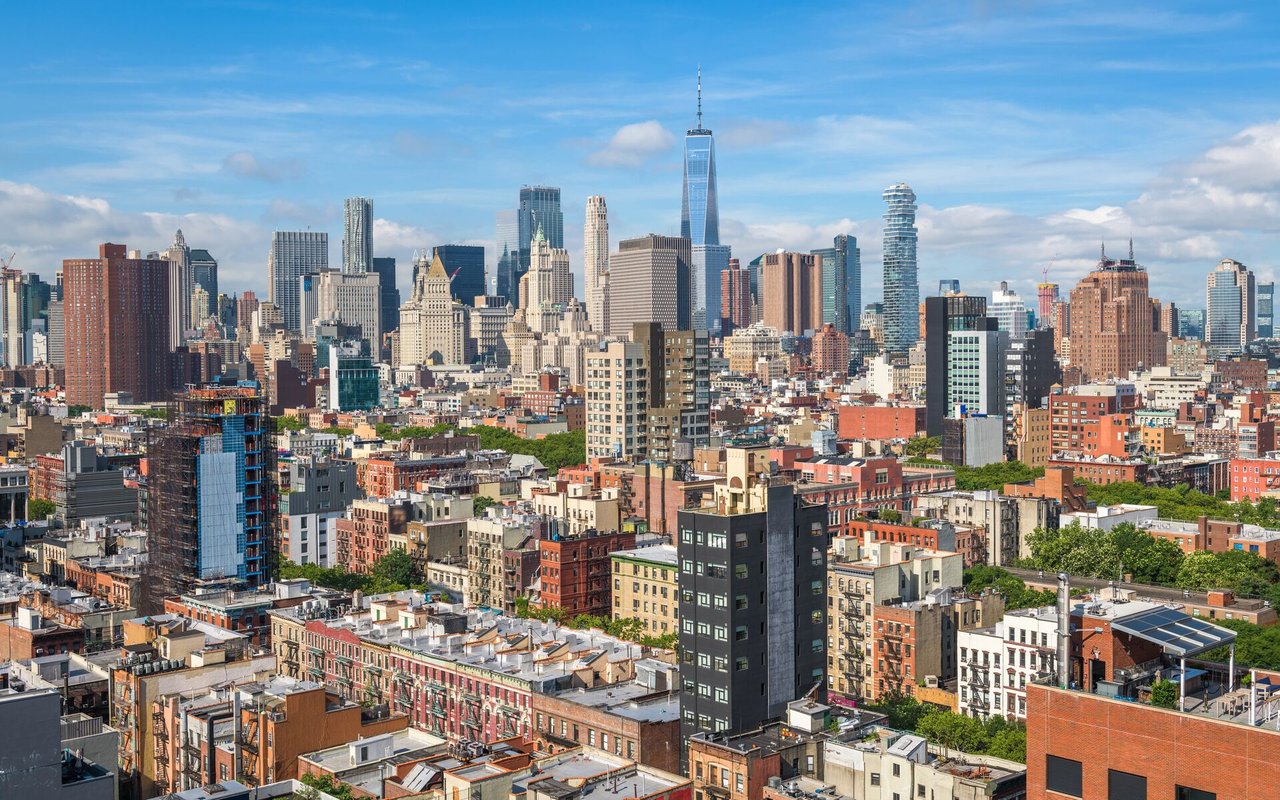
Welcome to Chinatown, Manhattan — a vibrant neighborhood where centuries-old traditions blend with modern city life. Known for its authentic Chinese cuisine, bustling streets, and rich cultural heritage, Chinatown offers a unique slice of Asian culture in the heart of New York City. The neighborhood comes alive during special celebrations, most notably Chinese New Year, when lanterns light up the streets, lion dances thrill crowds, and the air is filled with excitement and festive spirit. From colorful storefronts and aromatic food markets to historic temples and parks, Chinatown promises an immersive experience for locals and visitors alike.
Restaurants
Joe’s Shanghai
Joe’s Shanghai, renowned for its soup dumplings and traditional Shanghai dishes, was founded by chef Joe Si, who specializes in authentic Shanghainese cuisine. Established in 1994 in Flushing, New York, Joe’s Shanghai quickly gained acclaim for its signature Soup Dumplings, originally known as Xiao Long Bao. Due to their popularity and the dish’s complex name, patrons affectionately referred to them as “Soup Dumplings,” which eventually became synonymous with Joe’s Shanghai.
Great NY Noodletown
A cherished Chinese restaurant nestled at the corner of Bayard Street and Bowery in Manhattan’s Chinatown. Known for its straightforward ambiance, they offer a diverse menu of classic Cantonese delights. Indulge in salt-baked seafood, handmade noodles, hearty soups, and succulent roast meats paired with their signature ginger scallion sauce. Whether you’re stopping by for a quick lunch, casual dinner, or late-night bite, Great New York Noodletown promises a memorable dining experience. Be sure to try their seasonal specialties like Roasted Suckling Pig and renowned Soft-Shelled Crabs.
Kopitiam
At Kopitiam, named for the Hokkien term “coffee shop,” Nyonya cuisine takes center stage—a vibrant fusion of Chinese and Malay flavors influenced by Portuguese, Dutch, and British cultures. Chef/owner Kyo Pang, a third-generation Nyonya and James Beard Semifinalist, meticulously preserves her family’s traditional recipes in New York City. Every dish is crafted with fresh ingredients sourced directly from Malaysia and nearby markets, ensuring authenticity without additives or artificial coloring.
Golden Diner
Specializing in classic diner dishes with a unique twist inspired by the vibrant neighborhoods of Chinatown and the Lower East Side, Golden Diner was established in 2019. Located beneath the Manhattan Bridge in Chinatown, it offers a menu that celebrates local flavors, featuring dishes like pancakes and cheeseburgers infused with international influences.
Bars and Nightlife
Apotheke
Nestled on a hidden street in Chinatown, Apotheke transforms a former opium den into a sophisticated cocktail bar reminiscent of 19th-century Parisian absinthe dens and old-fashioned apothecaries. Mixologists don pharmacist-style garb to craft over 250 house cocktails and showcase a rotating selection of 500 global liquors. Guests can describe their preferences to these lab-coat-wearing bartenders, who concoct beverages with the precision of chemists in a lab. Though prices are steep, the experience is well worth it; signature drinks like the Femme Fatale blend fresh watermelon, vodka, rosemary, Aperol, and lime, while the Opium Uplifter features South American herbs and Guatemalan rum essence, topped with house bitters.
Mr. Fong’s
Mr. Fong’s, named after the Chinatown real estate broker who facilitated its acquisition, is an unpretentious bar located under the Manhattan Bridge. It attracts New York’s fashion industry crowd with its effortless cool vibe. Despite its unassuming appearance, Mr. Fong’s is far from a typical dive bar; it boasts Asian-inspired cocktails like a vodka tonic crafted with celery-infused Chinese vodka and lime juice, and an Old Fashioned made using plum bourbon. The dimly lit space features simple decor with potted ferns and a vintage jukebox, adding a touch of nostalgic charm.
Cultural and Historical Landmarks
Museum of Chinese in America (MOCA)
Founded in 1980, the Museum of Chinese in America (MOCA) began in a modest four-room space on Mulberry Street, New York City. In 2009, it relocated to a larger building on Centre Street, enabling the museum to expand its collections, host larger exhibits, and engage the community with various events. MOCA now holds the largest research collection of Chinese American artifacts in the U.S. and has grown into a nationally recognized institution. Despite its growth, it remains closely connected to Manhattan’s Chinatown. MOCA aims to engage audiences in a historical dialogue, offering a critical perspective on American history and fostering connections between the past and present, the global and local, and diverse communities.
First Cemetery of Congregation Shearith Israel
First Shearith Israel Graveyard, also known as Chatham Square Cemetery, is the oldest Jewish graveyard in Manhattan, located at 55-57 St. James Place in the Two Bridges neighborhood. Established by Congregation Shearith Israel, the oldest Jewish congregation in North America, this cemetery dates back to 1654 when Spanish and Portuguese Sephardic Jewish immigrants founded the congregation. Today, around one hundred tombs and headstones are visible, including those of Dr. Walter Jonas Judah, the second Jew to graduate from an American medical school, and Rabbi Gershom Sexas, the first Jewish spiritual leader born in the U.S.
Chatham Square
Chatham Square, a major intersection in Chinatown, Manhattan, is where eight streets converge: Bowery, Doyers Street, East Broadway, St. James Place, Mott Street, Oliver Street, Worth Street, and Park Row. The small park in its center is known as Kimlau Square and Lin Ze Xu Square. Named for William Pitt, 1st Earl of Chatham, Chatham Square was an open-air market for goods and livestock until about 1820. By the mid-19th century, it became known for tattoo parlors, flophouses, and saloons as part of the old Five Points neighborhood.
Kimlau Square and Memorial Arch
Located at Chatham Square in Chinatown, Manhattan, honors U.S. service members of Chinese ancestry who died serving their country. Erected in 1961 by the American Legion, Lt. B.R. Kimlau Post 1291, the granite arch was designed by architect Poy Gum Lee as a modern interpretation of a traditional ceremonial gateway. Named after 2nd Lieutenant Benjamin Ralph Kimlau, a Chinese-American bomber pilot who died in 1944 during World War II, the memorial’s Asian-inspired architecture reflects the character of the surrounding community.
The Museum at Eldridge Street
Housed in the historic Eldridge Street Synagogue built in 1887, serves as a testament to New York City’s Eastern European Jewish community. As the first purpose-built synagogue for Jewish immigrants from Russia, Poland, Lithuania, and other Eastern European countries, it became a vital community center. The museum, which opened in 2007, is dedicated to educating the public about Jewish immigration to the United States and Jewish-American culture, particularly in New York City. This National Historic Landmark also holds orthodox services and hosts tours, community classes, and events, celebrating its rich history and architectural significance.
Best Places to Celebrate Chinese New Year
Chinatown Lunar New Year Parade and Festival
Held annually, this colorful parade winds through the heart of Chinatown, featuring traditional lion and dragon dances, elaborate costumes, and live performances. The parade is a highlight of the Chinese New Year celebrations, attracting locals and visitors alike.
Mahayana Buddhist Temple
On the eve of Chinese New Year, many visit the Mahayana Temple to pay respects and pray for good fortune in the coming year. The serene atmosphere provides a contrast to the bustling street celebrations.
Nom Wah Tea Parlor
This iconic Chinatown restaurant often features special dim sum offerings during Chinese New Year. It’s a great place to enjoy a meal and soak in the festive atmosphere. Throughout the 20th century, it became a beloved neighborhood institution known for its Chinese pastries, steamed buns, dim sum, and tea. After relocating next door to 11-13 Doyers Street in 1968, Nom Wah continued to flourish, gaining fame for specialties like almond cookies and lotus paste used in moon cakes for the Chinese autumn festival.
Columbus Park
A gathering place for local Chinese residents, Columbus Park comes alive during Chinese New Year with traditional music, tai chi demonstrations, and community celebrations. The park is located in one of Manhattan’s oldest residential areas and has served as a melting pot for various immigrant communities over the years, including German Jews, Irish, and Italians. The park has undergone numerous renovations, adding recreational facilities and playgrounds, and remains a vibrant gathering place for diverse cultures, hosting various events and activities.
Sara D. Roosevelt Park
This park often hosts outdoor activities during Chinese New Year, including cultural performances and food stalls offering festive treats like tangyuan (sweet rice balls) and dumplings. Sara Delano Roosevelt Park spans 7.8 acres in Manhattan’s Lower East Side, named in honor of Sara Roosevelt, President Franklin Delano Roosevelt’s mother. It runs north-south for seven blocks from East Houston Street to Canal Street, bordered by Chrystie Street on the west and Forsyth Street on the east.
Transportation
Subways
Chinatown, located in New York City’s Lower Manhattan, is well-served by several subway lines, offering convenient access to various parts of the city. The neighborhood is accessible via the B, D lines at Grand Street station, providing connections to destinations uptown and in Brooklyn. Nearby Bowery station serves the J and Z lines, facilitating travel to Queens and parts of Brooklyn. Canal Street station, a major transit hub, accommodates the N, Q, R, W, and 6 lines, offering extensive connections throughout Manhattan and beyond.
Buses
Chinatown benefits from a network of bus routes that enhance local and regional transportation options. The M15 and M15 SBS routes along Allen and Pike Streets provide crucial north-south connections, linking Chinatown to areas like the East Village and Midtown Manhattan. Additionally, the M103 route along East Broadway offers convenient access to the Lower East Side and Harlem, complementing subway services and facilitating travel for residents and visitors alike.
Walking
Renowned for its bustling streets and vibrant atmosphere, Chinatown is a highly walkable neighborhood that invites exploration on foot. The area’s compact layout and dense network of shops, restaurants, and cultural sites make it ideal for pedestrians seeking to immerse themselves in its rich heritage and diverse offerings. Whether strolling along bustling thoroughfares like Canal Street and Mott Street or exploring hidden alleys and vibrant markets, walking in Chinatown provides a firsthand experience of its unique blend of Chinese culture, culinary delights, and historic landmarks.
Living in Chinatown
Living in Chinatown, Manhattan, offers a vibrant blend of cultural heritage and urban convenience. This dynamic neighborhood is renowned for its bustling markets, authentic eateries serving diverse cuisines, and a rich tapestry of Asian culture. From its bustling streets to hidden alleys, Chinatown invites residents to explore its unique charm and lively atmosphere. The neighborhood’s compact layout and walkable streets make it easy to navigate and discover its many treasures, whether enjoying a leisurely stroll or indulging in its renowned culinary scene. Living here means embracing a community that celebrates tradition while thriving amidst the energy of New York City life.
Contact Platinum Properties to explore current rental or sales listings in the Chinatown neighborhood. We’re here to help you find your perfect home.